
What is the best neutral oil for cooking

Cooking oil is a must in any kitchen; however, cooking oils aren’t all made the same. While some oils carry strong flavors that enhance their culinary creations, a few oils can be classified as neutral and will allow the natural flavors of the ingredients to shine. If you ever wondered what the best neutral oil for cooking is, you are in good company. Like many across the culinary spectrum, home cooks and professionals alike seek the best neutral oil for its wider application, stable qualities, and versatility in a recipe that contributes no taste of its own. At GDM Mother Nature Made, the opinion is being expressed that oil choice goes beyond flavor to health, performance, and general oil quality. We will look into what makes an oil neutral, the best types out there, and why it is essential to use natural and good-quality oils daily.
What Is a Neutral Oil?
Neutral oil indicates oil with almost no flavor, aroma, or aftertaste. Neutral oils like almond oil don’t disturb the taste of foods; hence, they are particularly suited for:
- Baking, when one prefers to avoid a strong flavor.
- Frying or sautéing such that the oil does not fight for attention against the ingredient flavor.
- Salad dressings, marinades, and sauces where contrast is desired.
Aside from taste, a good neutral oil is generally expected to have a high smoke point, making it resistant to burning and degrading with consequent formation of toxic compounds under high heat.
The Best Neutral Oil for Cooking.
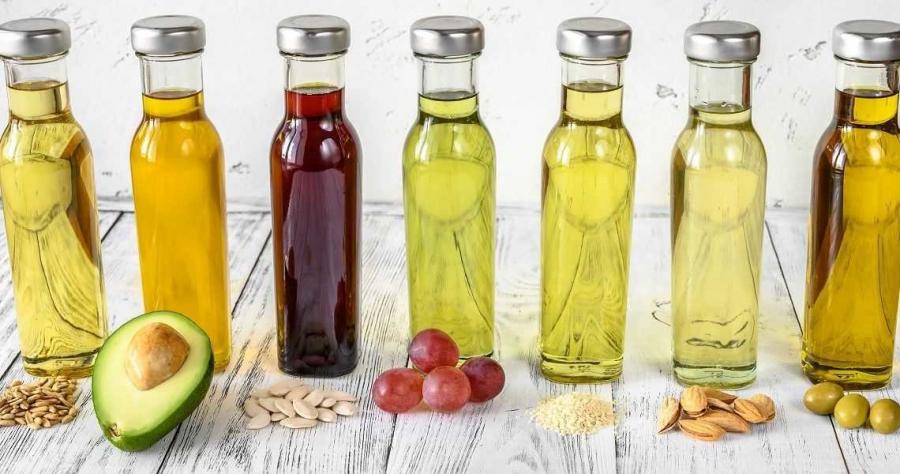
To pin down the debate on what is the best neutral oil for cooking is, hence, really a concrete amalgamation of taste, performance, and health benefits. Tests conducted at GDM Mother Nature Made aimed to examine and compare different oils to isolate those with salient performances.
1. Canola Oil
A favorite in most neutral oil suggestions due to its light flavor, high smoke point, and versatility. Excellent for frying, stir-frying, and baking. Contains omega-3 fatty acids, which is a better alternative to using traditional vegetable oils.
2. Avocado Oil
The mild taste approaches neutrality while having one of the highest smoke points of any oil, at over 500°F. Grilling, sautéing, or roasting would be ideal. It has a large amount of monounsaturated fats, which are good for the heart.
3. Grapeseed Oil
Extracted from grape seeds, grapeseed oil is known for its very light flavor and medium-high smoke point. Commonly used in dressings and sauces, it also pan-fries beautifully.
4. Sunflower Oil
Sunflower oil is neutral and almost everywhere. It has a smoke point around 450°F, so it is good for deep frying and cooking at high temperatures. Its light flavor does not interfere with baked goods or anything sautéed.
5. Refined Coconut Oil
Unrefined coconut oil has a strong flavor. Refined coconut oil is neutral. It works for one wanting all of the benefits but without the taste that is bolder.
6. Safflower Oil
Another top contender for best neutral oil is safflower oil. Its 450°F smoke point makes it suitable for high-heat cooking. Its mild flavor won’t become pronounced in recipes where you’ve used it. GDM Mother Nature Made supports oils that fit into the following criteria:
- Clean and natural: free from harmful chemicals or excessive processing.
- High-performance: able to handle multiple cooking methods.
- Nutrient-rich: health benefits extend beyond convenience in cooking.
We emphasize that while taste and smoke point matter, the source and quality of oil matter even more. Choosing minimally processed oils is a way of not only cooking but also cooking with care for your own body.
How to Choose the Best Neutral Oil for Cooking
Consider one or several of these points if you are thinking about equal neutrality in oil, leaving your pantry.
- Cooking Method: For deep frying, pick oils like sunflower or canola with higher smoke points. For dressings, go with grapeseed or avocado.
- Nutritional Profile: Look for oils high in monounsaturated fats and low in trans fats.
- Processing: Cold-pressed or minimally refined oils are generally healthier than heavily processed alternatives.
- Versatility: Select an oil that works across different recipes so you don’t need multiple bottles for every type of cooking.
Practical Uses of Best Neutral Oil for Cooking
The neutral oils are often times ignored, but they remain the unsung kitchen heroes. Here’s how to maximize their potential:
- Frying: Frying crispy fries, chicken, or tempura is done with perfection because of a high smoke point.
- Baking: Use neutral oils so the cakes, muffins, and breads will be moist without adding flavor.
- Marinade: A smooth base that makes herbs and spices pop.
- Dressings & Sauces: A neutral oil allows vinaigrettes, mayonnaise, and creamy sauces to taste balanced.
Conclusion
So what is the best cooking oil with neutrality? It is an answer relative to your needs, but one would equally draw into it avocado oil for very high heat, grapeseed oil for delicate dressings, or canola oil for general-purpose flexibility. At GDM Mother Nature Made, we recommend paying as much attention to health and quality as we do to performance. The best neutral cooking oil is the one that works with your preferences while enhancing your health goals. When you next find yourself in a kitchen, let your oil be the silent partner, dutifully laboring behind the scenes while allowing your flavors to shine.